Processor
The processor has a major effect on laptop speed. More demanding work such as gaming, photo editing and video editing benefits from stronger processing performance.
Explore laptops for everyday tasks, study, business, creative work and gaming. Compare laptop types, then use the practical guide below to narrow your choice.
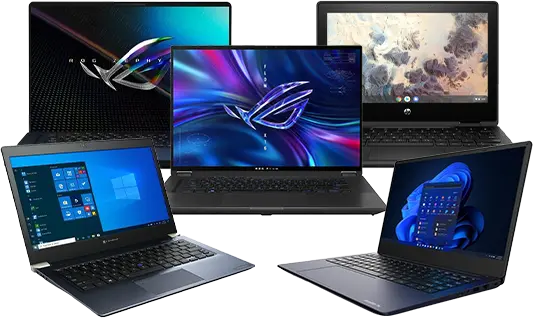
Start with your main workload and preferred style. Choose a category below, then compare the processor, memory, storage, display and connections on individual models.
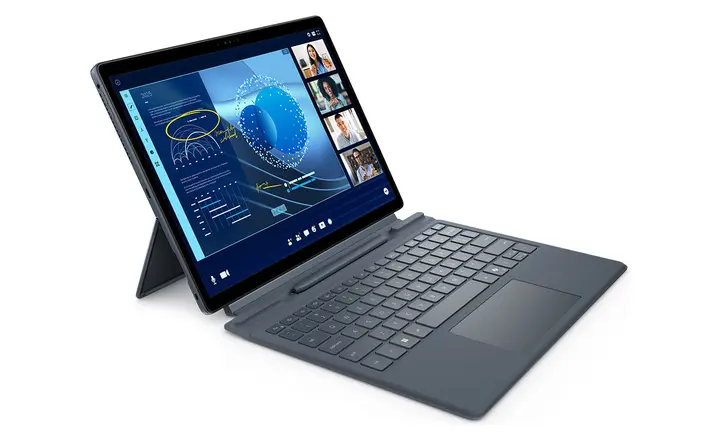 Work & productivity
Business laptops
Compare laptops for professional work, multitasking and managed environments, including models with business-focused security and management features.
Shop business laptops →
Work & productivity
Business laptops
Compare laptops for professional work, multitasking and managed environments, including models with business-focused security and management features.
Shop business laptops →
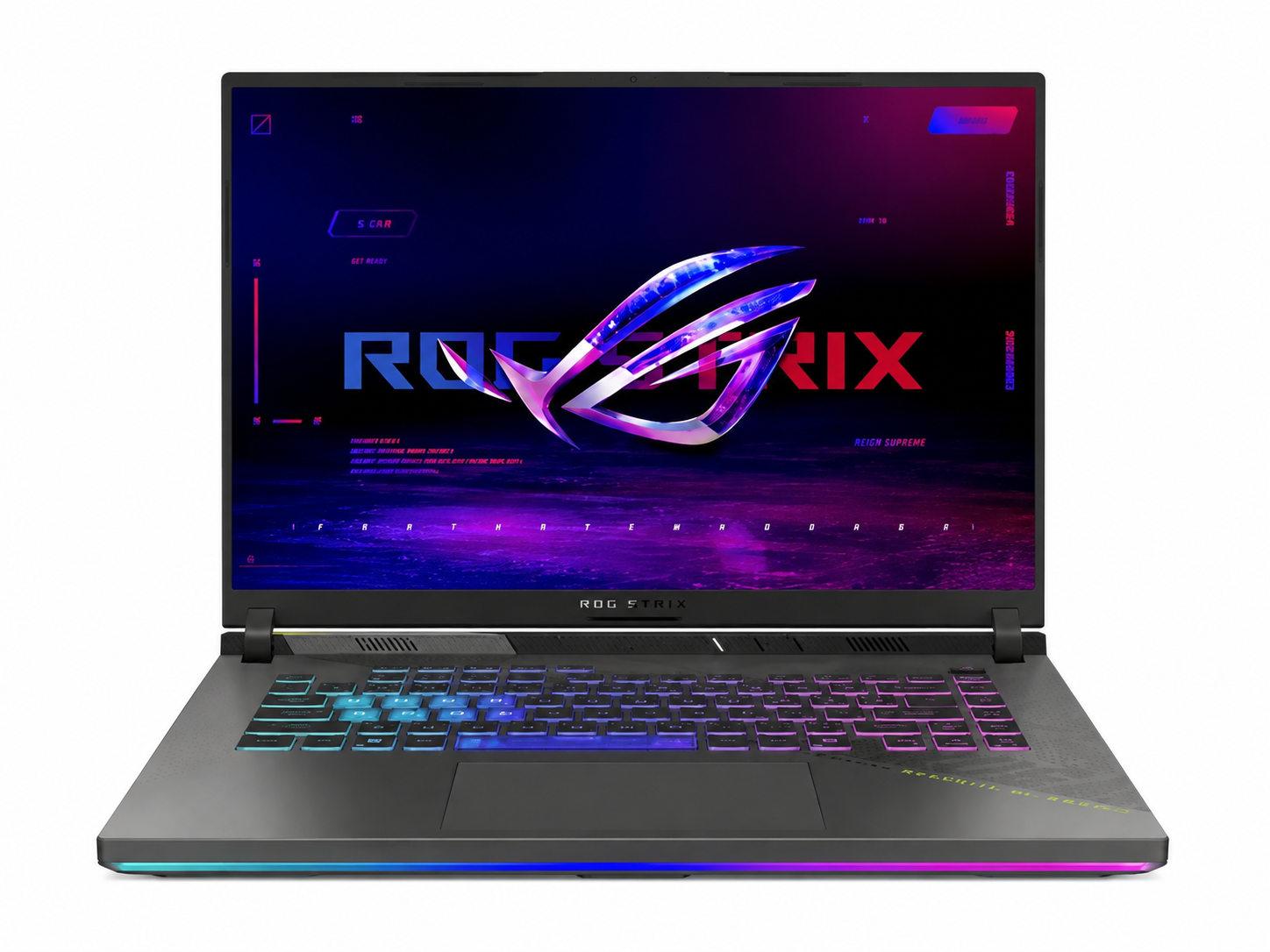 Gaming & performance
Gaming laptops
Explore performance-focused laptops that can include dedicated graphics, stronger cooling and fast refresh-rate display options.
Shop gaming laptops →
Gaming & performance
Gaming laptops
Explore performance-focused laptops that can include dedicated graphics, stronger cooling and fast refresh-rate display options.
Shop gaming laptops →
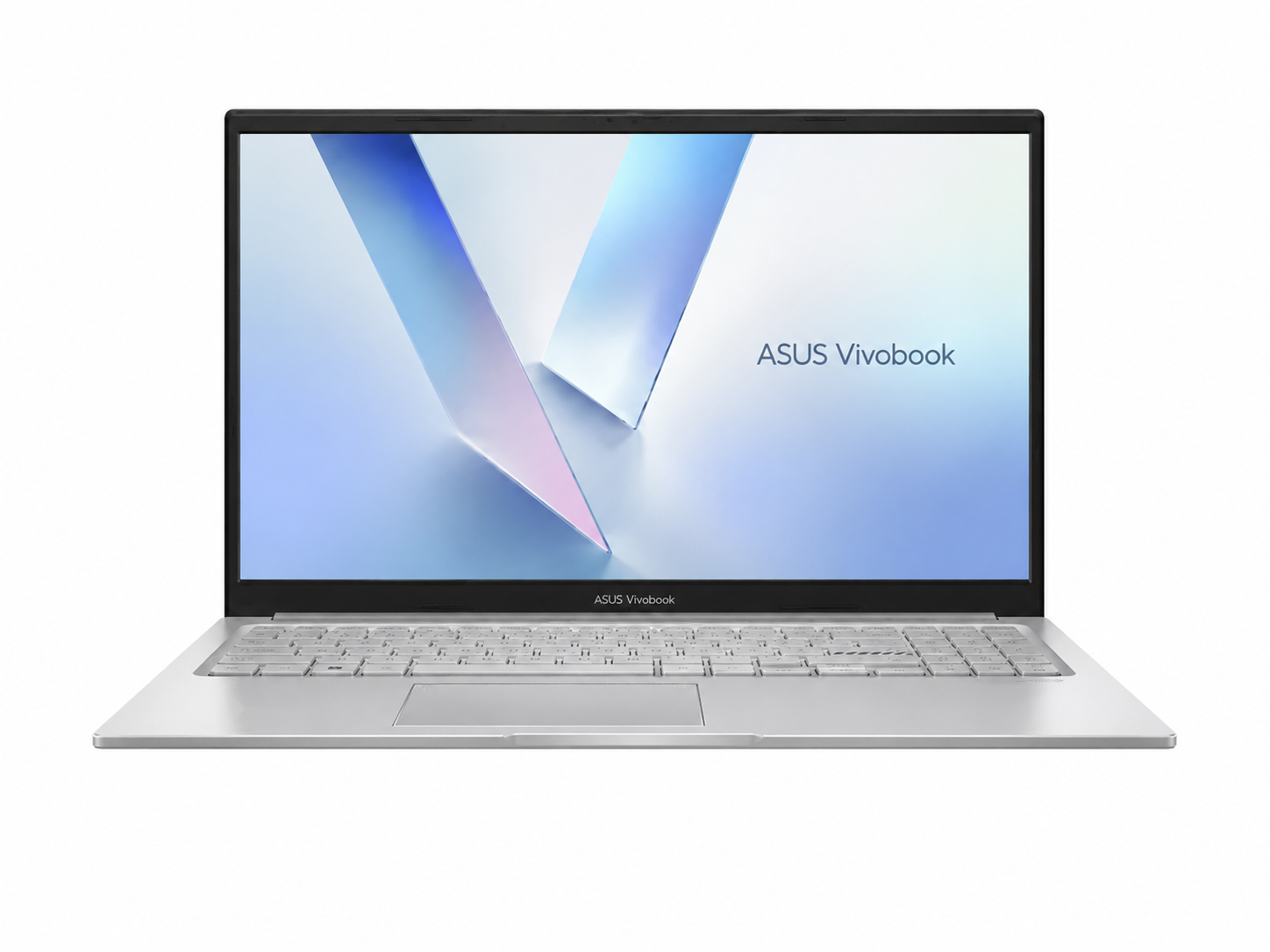 Everyday & study
Home & student laptops
Browse practical laptops for web browsing, video calls, streaming, study and document work, with a range of screen sizes and configurations.
Shop home & student laptops →
Everyday & study
Home & student laptops
Browse practical laptops for web browsing, video calls, streaming, study and document work, with a range of screen sizes and configurations.
Shop home & student laptops →
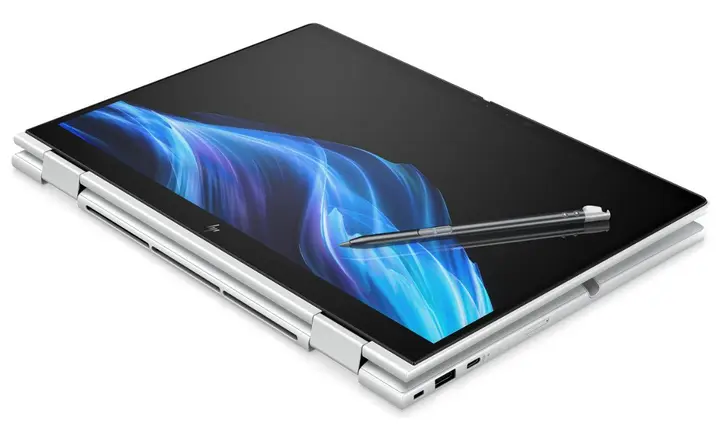 Direct screen control
Touchscreen laptops
Choose touch-enabled models for direct on-screen navigation, note-taking and compatible creative tasks. Check whether a stylus is included or supported.
Shop touchscreen laptops →
Direct screen control
Touchscreen laptops
Choose touch-enabled models for direct on-screen navigation, note-taking and compatible creative tasks. Check whether a stylus is included or supported.
Shop touchscreen laptops →
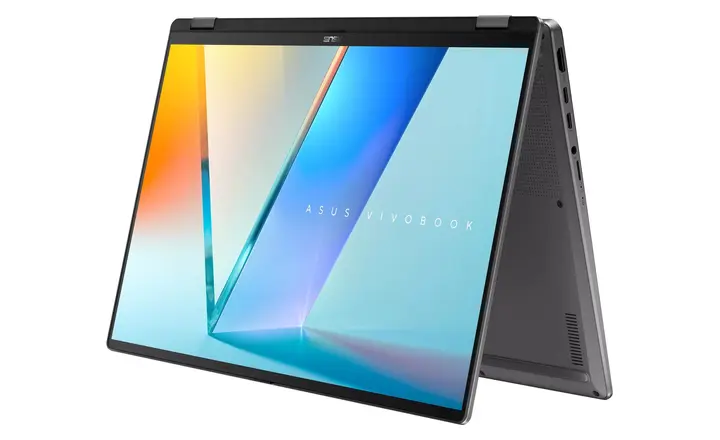 Flexible form factor
Tablet convertibles
Switch between laptop and tablet-style use for presentations, viewing, drawing or handwritten notes, depending on the model and supported accessories.
Shop tablet convertibles →
Flexible form factor
Tablet convertibles
Switch between laptop and tablet-style use for presentations, viewing, drawing or handwritten notes, depending on the model and supported accessories.
Shop tablet convertibles →
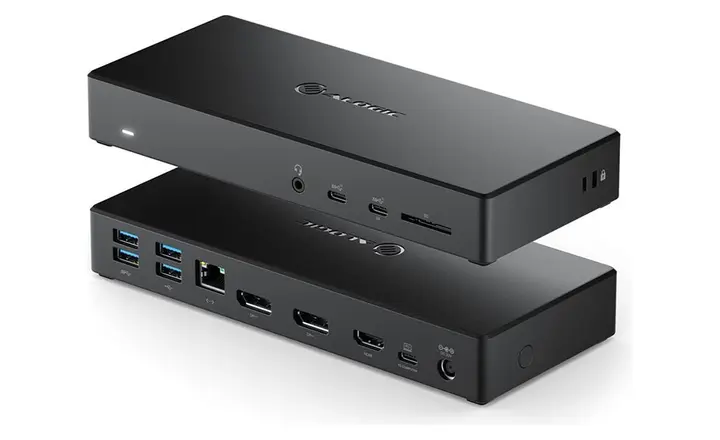 Connect & protect
Laptop accessories
Complete your setup with bags, docks, hubs, mice, storage and other accessories. Confirm port and device compatibility before ordering.
Shop laptop accessories →
Connect & protect
Laptop accessories
Complete your setup with bags, docks, hubs, mice, storage and other accessories. Confirm port and device compatibility before ordering.
Shop laptop accessories →
Start with the work you need the laptop to handle, then compare the components that shape performance and everyday usability.
A laptop does not need the highest specification in every area. Focus on the features that matter for your applications and workflow.
The processor has a major effect on laptop speed. More demanding work such as gaming, photo editing and video editing benefits from stronger processing performance.
RAM holds running programs. More memory helps when you use multiple browser tabs and applications at the same time.
Solid-state drives are faster than mechanical hard drives. Consider both speed and the capacity needed for your files and applications.
Resolution, panel type, refresh rate, colour and viewing angles all influence how the screen looks and feels in daily use.
| Use | Typical activities | What to prioritise |
|---|---|---|
| Home & study | Web browsing, videos and document editing | Balanced processing, practical storage, enough memory for everyday multitasking and a clear display |
| Business | Work applications, multitasking and managed environments | Processor and memory for the workload, plus business-focused durability, security and IT management features where required |
| Gaming | High-end games and performance-focused use | Dedicated graphics, cooling and fast refresh-rate display options |
| Creative work | Photo editing, video editing and other demanding applications | Processing performance, memory and display quality |
Protect your laptop, add connections, improve everyday control or expand your available storage.
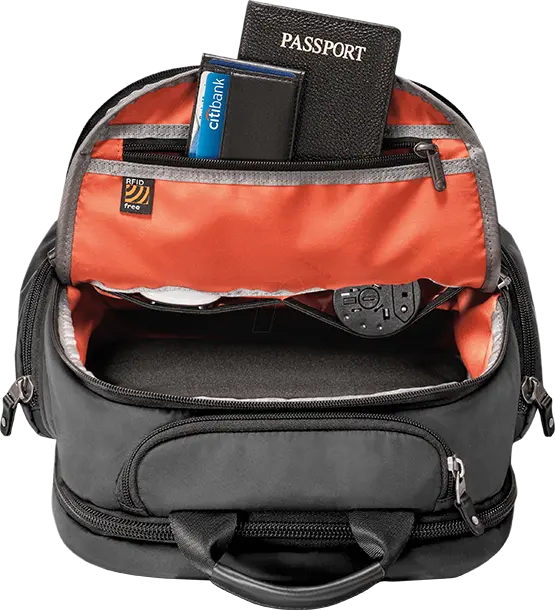 Laptop carry bags
Protect and carry your laptop with a suitable bag or cover.
Shop laptop bags →
Laptop carry bags
Protect and carry your laptop with a suitable bag or cover.
Shop laptop bags →
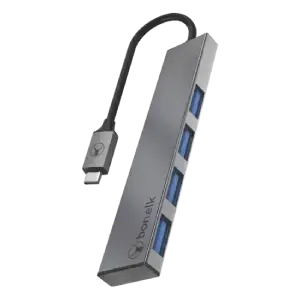 USB hubs & docks
Connect multiple devices and monitors to your laptop.
Shop hubs & docks →
USB hubs & docks
Connect multiple devices and monitors to your laptop.
Shop hubs & docks →
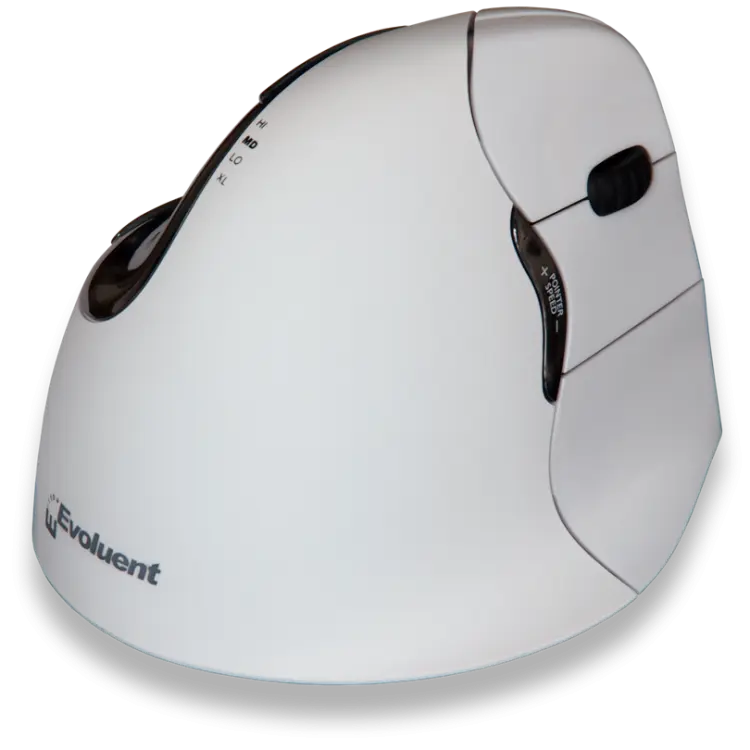 Mice
Browse and work comfortably with a suitable mouse.
Shop computer mice →
Mice
Browse and work comfortably with a suitable mouse.
Shop computer mice →
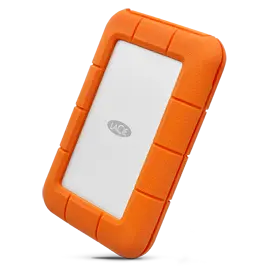 Portable hard drives
Expand your storage with a portable external hard drive.
Shop portable drives →
Portable hard drives
Expand your storage with a portable external hard drive.
Shop portable drives →
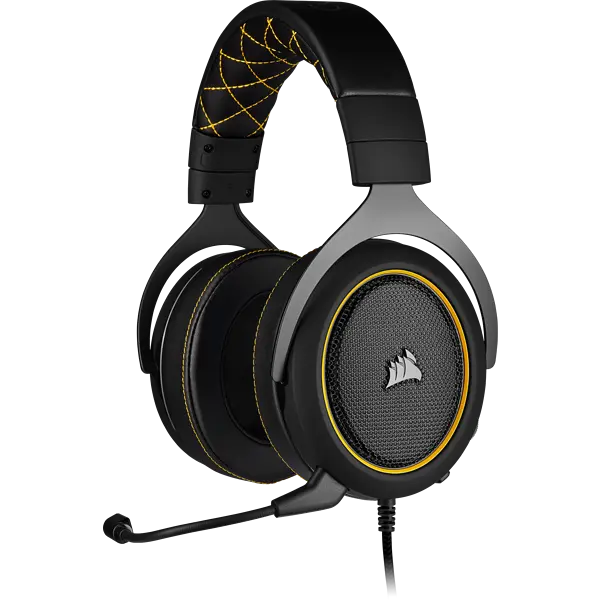 Headsets
Explore headsets for calls, entertainment and gaming.
Shop headsets →
Headsets
Explore headsets for calls, entertainment and gaming.
Shop headsets →
When you buy from Device Deal, our team is available to help you choose the right laptop and accessories for your needs.
The right amount depends on the applications you run and how much multitasking you do. Check the recommended requirements for your main software, and allow extra capacity if you regularly keep many browser tabs or applications open together.
Add the space required for your operating system, applications and current files, then leave room for future growth. An external drive can add file storage later, but it does not replace checking that the laptop has enough internal capacity for your software and everyday work.
Integrated graphics can suit everyday browsing, office work and video playback. Dedicated graphics are commonly considered for gaming, 3D work and demanding creative applications. Always compare the requirements of your games or software with the exact laptop specification.
Smaller screens can make a laptop easier to carry, while larger screens provide more viewing and workspace area. Consider the laptop's overall dimensions and weight as well as screen size, especially if you travel or commute regularly.
A touchscreen laptop lets you control compatible content directly on the display. A 2-in-1 or convertible also changes form for tablet-style, tent or viewing modes. The hinge design, detachable parts and pen support vary by model.
Start with your business applications and multitasking needs, then check portability, ports, display and any required security or IT management features. For managed workplaces, confirm the model meets your organisation's software and deployment requirements.
Compare the processor and graphics against the requirements of the games you play. Also consider memory, storage, display resolution and refresh rate, cooling, ports and whether the size and weight suit where you will use it.
Many laptops can use docks, hubs and external displays, but support depends on the laptop's ports, graphics capability and the dock or monitor connection. Check the exact laptop specification and accessory compatibility before ordering.
Upgrade options vary by model. Some laptops have replaceable or additional memory and storage slots, while others use components that cannot be upgraded. Check the model specifications before purchase if future expansion is important.
Use manufacturer figures as a comparison guide, then check how the test was performed. Actual battery life varies with screen brightness, applications, wireless use, power settings and connected devices, so choose with your typical workday in mind.