
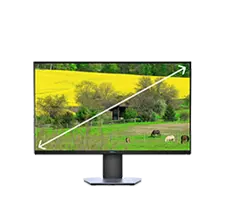
 17" to 20"
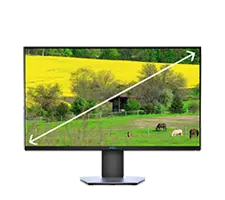 21" to 26"
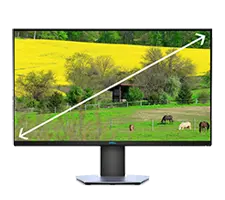 27" to 33"
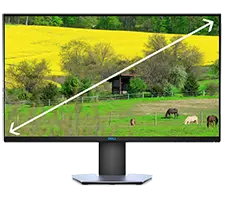 34" and above
Intended use
Decide whether the monitor is mainly for office work, everyday computing, creative applications, gaming or a portable setup.
Explore monitor options for the office, home, gaming and portable setups. Compare types, screen sizes and brands, then continue to the full monitor range.
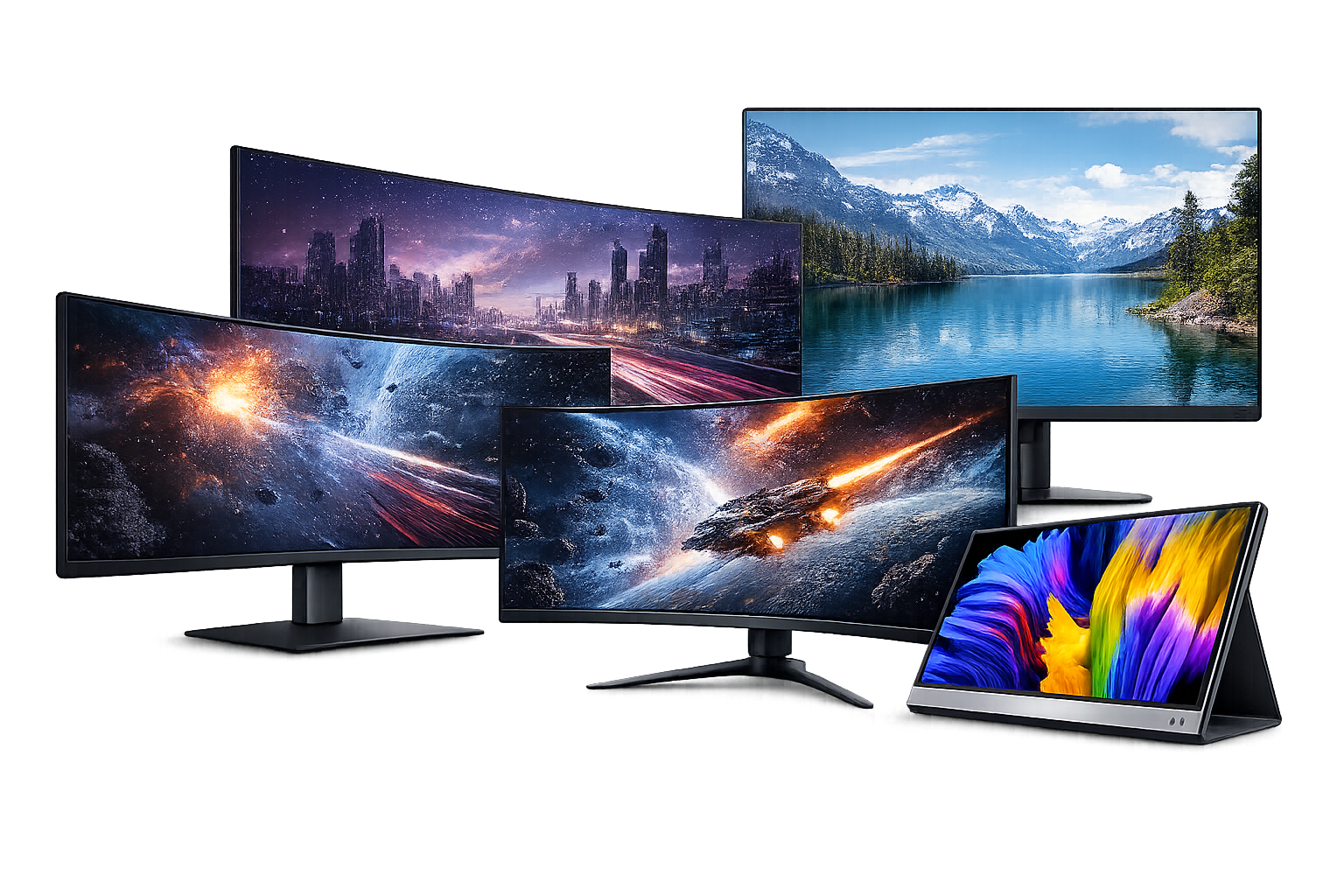
Choose the category that best matches how you plan to use your monitor.
Explore monitors suited to everyday productivity, administration and general use.
Shop Office Monitors

Compare gaming displays by resolution, refresh rate, response behaviour and compatible connections.
Shop Gaming Monitors
Browse value-focused monitor options for everyday computing and essential display needs.
Shop Budget Monitors
Explore wider screen formats for multitasking, immersive viewing and extended workspaces.
Shop Ultrawide Monitors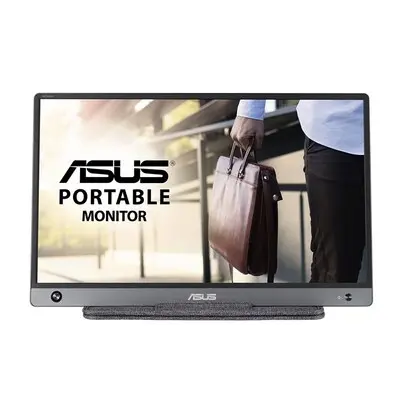
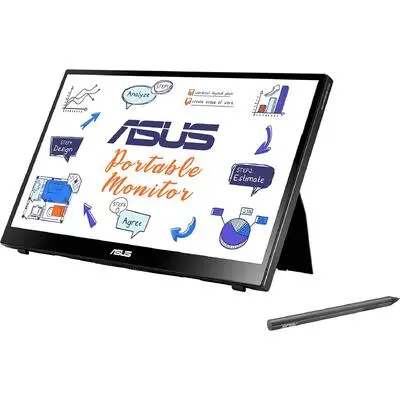
Compare portable displays for compatible laptops, mobile work and temporary extra-screen setups.
Shop Portable Monitors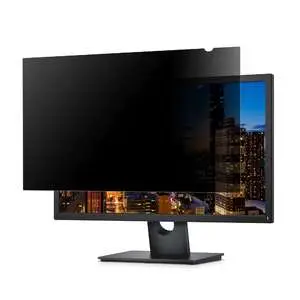
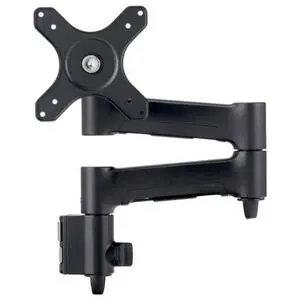
Browse mounting and positioning options for compatible screens and desk setups.
Shop Monitor Mounts & StandsChoose a size range, then compare resolution, dimensions and features within the filtered results.
Start with your main use, then compare the display and connection details that affect your setup.
Read the Monitor Buying GuideDecide whether the monitor is mainly for office work, everyday computing, creative applications, gaming or a portable setup.
Check the monitor's full dimensions, stand depth and viewing distance rather than relying only on diagonal screen size.
Compare the amount of workspace and image detail you need with the resolution and scaling your computer supports.
Compare panel technology, refresh rate and response behaviour according to the work, content or games you use.
Confirm that the computer, monitor and cable support the required resolution, refresh rate and features through the chosen port.
Check stand adjustment, VESA mounting, monitor weight, cable clearance and the space available on your desk.
Explore the same ten monitor brands featured in the DeviceDeal monitor buying guide. Product range and availability vary by brand.










Use these quick answers to narrow your options, then check the specifications of the exact monitor and connected device.
Choose based on desk space, viewing distance and the amount of workspace you need. Check the monitor's full width, height and stand depth because the advertised size measures the screen diagonally rather than the complete product.
Full HD suits many everyday setups, QHD adds workspace and detail, and 4K provides more pixels for detailed or larger-screen work. The best choice depends on screen size, viewing distance, applications, scaling and what your computer supports.
Start with a comfortable screen size and resolution, then compare text clarity, stand adjustment, viewing angles and the ports required by your computer. Check full dimensions if desk space is limited and confirm mounting support if you plan to use a monitor arm.
An ultrawide provides one continuous desktop with no centre bezel, while two monitors can provide separate screens, flexible positioning and mixed orientations. Compare desk width, software use, screen sharing, input options and mounting requirements.
Check the video outputs on your computer and the inputs on the monitor, such as HDMI, DisplayPort or USB-C. The computer, monitor and cable must all support the resolution, refresh rate and features you intend to use.
It can if the monitor provides USB Power Delivery and its stated wattage is suitable for the laptop. The laptop's USB-C port must also support the required video and charging functions. Check both device specifications and use a compatible cable.
Only if the monitor and mount are compatible. Check the monitor's stated VESA mounting pattern, screw requirements and weight without its stand, then confirm the arm or wall mount supports that pattern, weight and screen size.
That depends on the laptop model, graphics hardware, operating system, ports, dock and the resolution and refresh rate of each display. Check the laptop manufacturer's display-support specifications before planning a multi-monitor setup.
IPS is widely used for consistent colour and wide viewing angles, VA commonly offers strong native contrast, TN options can prioritise fast response, and OLED uses per-pixel light control. Compare the exact model because performance varies within every panel family.
Compare resolution, refresh rate, response behaviour, variable refresh rate and the ports required by your PC or console. The useful combination depends on the games you play and the frame rate your system can produce.
HDR performance varies considerably. Compare brightness, contrast, black levels, colour gamut, local dimming and recognised certification rather than relying on an HDR-compatible label alone. The source device, application, cable and content must also support HDR.
Compare its dimensions, weight, brightness, stand or cover, inputs and included cables. Confirm whether your device can provide video and enough power over USB-C or whether the display needs a separate power connection.
Browse the complete DeviceDeal monitor category and use the available filters to narrow the range.